Recycling and Sustainability at Gardening Poplar
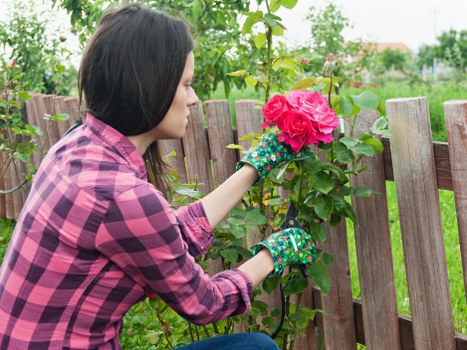 At Gardening Poplar we are committed to creating an eco-friendly waste disposal area that supports thriving urban gardens and reduces landfill. Our approach to recycling and sustainability blends practical waste separation with community-led reuse and composting initiatives. We aim to make the sustainable rubbish gardening area an accessible, visible part of local green space so residents and volunteer gardeners can see how everyday disposables become resources for soil, plant beds and wildlife corridors. Every effort we make is designed to cut carbon, save materials and nurture urban biodiversity.
Our target is clear: we aim to reach a 60% recycling rate for all garden-related and landscaping waste within three years, rising steadily to 75% by year five. This recycling percentage target covers green waste, packaging, textiles used in landscaping, and construction residues from small scale community projects. We work with borough waste policies that encourage separate streams for food, garden organics and dry recyclables — an approach that makes the eco-friendly waste disposal area more effective when residents follow the local separation rules for glass, paper, food caddies and garden sacks.
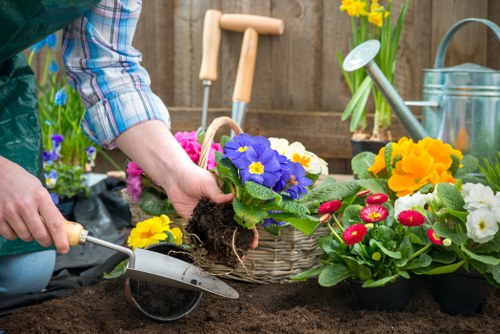 To support practical operations we collaborate with local transfer stations and reuse centres, optimising routes and processing times so garden waste is turned into compost rather than crushed into mixed refuse. Our partnerships with local transfer stations mean heavier materials such as broken paving, soil and hard landscaping can be assessed and diverted to recycling streams or reuse projects. The boroughs' approach to waste separation — clear labeling, colour-coded bins and collection calendars — complements our work and helps keep costs and emissions down.
Local facilities, partnerships and low-carbon logistics
Gardening Poplar maintains formal partnerships with charities and community organisations that specialise in reuse, repair and redistribution. We donate usable timber, bricks and surplus plants to local charities and community gardens where they can be repurposed for raised beds, habitat features and classroom projects. Strong collaboration with reuse charities reduces the need for new materials and gives items a second life, supporting circular economy principles directly in our sustainable rubbish gardening area.
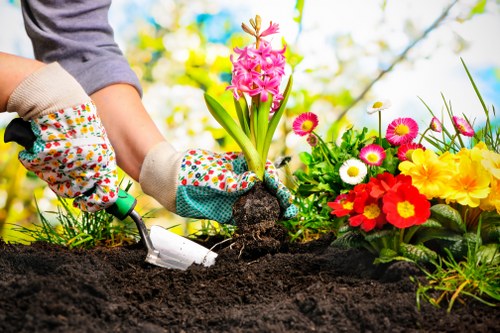 Logistically, we use a fleet of low-carbon vans and small electric vehicles for collection and delivery around the estate and neighbouring boroughs. These low-emission vehicles are essential to reducing transport-related emissions associated with garden waste collection and transfers to nearby depots. By scheduling consolidated runs to transfer stations and reuse partners we cut mileage and maximise fill rates, which improves our carbon footprint while keeping the cost of sustainable disposal competitive for community schemes.
We are also engaged in targeted recycling activities relevant to the area: segregated glass and paper banks, separate food caddies to prevent contamination of compostable streams, and designated textile collection for garden fabric and clothes that can be rehomed or converted into insulation for cold frames. This attention to detail mirrors borough collection systems and supports improved yields from composting and materials recovery operations.
Practical actions, community benefits and accountability
To ensure transparency we publish an annual recycling and sustainability update that tracks our progress against the recycling percentage target and highlights volumes diverted from landfill. Key metrics include tonnes of green waste composted, materials reused through charity partnerships, and reductions in transport emissions due to our electric collection fleet. We also monitor contamination rates in recycling streams so our eco-friendly waste disposal area can be continually improved with clearer signage and community education (without turning the page into a formal guide).
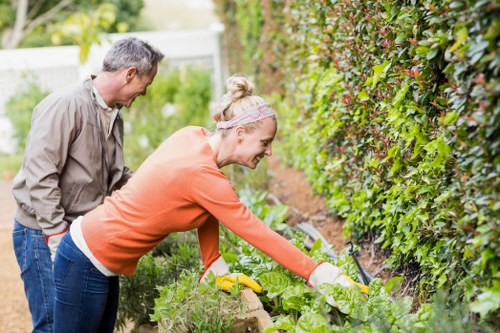 On-the-ground activity is supported by volunteers, local schools and horticultural trainees who learn how to sort, store and prepare materials for reuse or composting. We maintain tidy drop-off zones, labelled bays for wood, soil, plant matter and inert rubble, and a small processing area where bulky items are dismantled and salvaged. A simple list of partners and facilities helps the community know where different items should go:
- Local transfer stations for bulk green waste and heavy materials
- Charity reuse centres for salvageable timber, tools and textiles
- Community composting hubs for garden and food organics
- Dedicated recycling banks for glass, paper and small metal items
 Our vision for a sustainable rubbish gardening area in Poplar is practical, measurable and community-centred. By combining a clear recycling percentage target, strong ties with local transfer stations and charities, and the use of low-carbon vans for logistics, Gardening Poplar turns waste from a problem into a resource. We encourage residents and gardeners to support local separation systems so the entire neighbourhood benefits from improved soil health, reduced emissions and a more circular approach to materials. Together we can make the eco-friendly waste disposal area a model for urban gardening sustainability across the city.