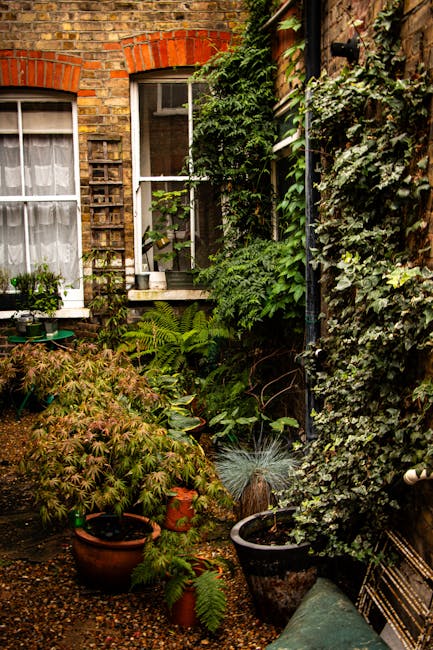
Blackwall Road gardeners for tight access gardens Poplar: practical help for awkward spaces
If you live near Blackwall Road in Poplar, you probably already know the feeling: the garden looks small from the outside, but getting anything through it is another matter entirely. Narrow side passages, shared entrances, basement steps, bin stores, awkward corners, overgrown hedges, and sheds tucked into the back can make even simple garden work feel like a logistical puzzle. That is exactly where Blackwall Road gardeners for tight access gardens Poplar become genuinely useful. Not just for cutting back a border or mowing a lawn, but for planning the work so it actually gets done without damaging fencing, paving, or plants you want to keep.
In this guide, you will find a clear explanation of how tight-access gardening works, what to ask before booking, what methods tend to work best, and the mistakes that often turn a straightforward job into a stressful one. We will also cover practical checks for safety, access, pricing, and service choice, so you can make a decision with a bit more confidence. Let's face it, a cramped garden is one thing; a cramped garden with the wrong approach is another story altogether.
Expert summary: the best results in tight-access gardens usually come from careful planning, compact tools, realistic timings, and a team that understands how to work cleanly in narrow spaces. That sounds simple, but in practice it is the difference between a tidy finish and a day of avoidable fuss.
Table of Contents
- Why Blackwall Road gardeners for tight access gardens Poplar matters
- How Blackwall Road gardeners for tight access gardens Poplar works
- Key benefits and practical advantages
- Who this is for and when it makes sense
- Step-by-step guidance
- Expert tips for better results
- Common mistakes to avoid
- Tools, resources and recommendations
- Law, compliance, standards, or best practice
- Options, methods, or comparison table
- Case study or real-world example
- Practical checklist
- Conclusion
- Frequently asked questions
Why Blackwall Road gardeners for tight access gardens Poplar Matters
Tight access changes everything. In a typical open garden, a gardener can bring in a mower, a trimmer, bags, compost, edging tools, and waste containers with very little drama. In a narrow Poplar garden, the same job can become a careful sequence of movements: move the plant pots, squeeze through a side gate, protect the path, cut back the hedge in sections, carry waste out in smaller loads, and avoid scraping walls that are already a bit weathered from years of East London weather.
That matters because access affects three things at once: the quality of the result, the time needed, and the risk of damage. If a contractor underestimates access, you may end up with rushed work, missed corners, or tidy-up left half done. If they understand it properly, they will usually work more methodically, with less noise, less disruption, and better control over the finish.
It also matters for property value and day-to-day use. A small garden can still feel spacious if the paths are clear, the planting is managed, and the edges are neat. On the other hand, when space is limited, a bit of neglect shows fast. A planter left in the wrong place can block movement. A hedge that has outgrown its line can swallow half the light. A patchy lawn can make the whole space feel tired. Small garden, big effect. It really is like that.
For residents and landlords around Blackwall Road, the challenge is often not whether the garden needs work, but how to get it done without a mess. That is why choosing gardeners who are used to awkward access is not a minor detail. It is the main detail.
If you are comparing services more broadly, it can also help to look at a provider's services overview so you can see how regular maintenance, clearance, and more involved landscaping fit together. For ongoing care, a structured garden maintenance service is often easier to manage than one-off reactive jobs.
How Blackwall Road gardeners for tight access gardens Poplar Works
The work starts before any tool is picked up. Good tight-access gardening usually begins with a quick assessment of the route into the garden, the size of the narrowest gap, where waste can be staged, and whether anything fragile needs protection. That assessment may be done from photos, a short call, or an on-site look if the job is more complex. To be fair, it is a bit boring compared with the cutting and clearing, but it is the part that saves time later.
Once access is understood, the gardener will usually choose methods that fit the space rather than forcing the space to fit the method. That might mean smaller hand tools instead of large machines, section-by-section pruning, bags rather than bulk clearance, and careful sequencing so there is always a clear route through the garden. In a cramped terrace or apartment courtyard, even the order of the work matters. Cut first, collect second, clear third. Simple, but not always simple in practice.
For larger jobs, waste management becomes central. Green waste may need to be bagged in stages, moved through the property in smaller loads, and loaded out without blocking shared access. Where a job includes heavier growth or stubborn debris, a provider may recommend a dedicated garden clearance approach first, followed by finishing work. That can be more efficient than trying to tidy while also removing years of build-up in one go.
In some gardens, the access issue is not just width. It is height, turning space, or the angle of the route. Low porches, tight corner turns, narrow gates, and slippery steps can all influence how the job is set up. A sensible gardener will plan for all of that rather than assuming the garden is "just small". Small is not the same as easy. It often means more care, not less.
When the job includes hedges, overhangs, or boundary shrubs, a service such as hedge trimming may be the right fit, especially where branches are leaning into walkways or reducing light into a compact yard. For lawns, a precise lawn mowing routine with edge finishing usually works better than trying to use heavy kit in a confined space.
Key Benefits and Practical Advantages
The obvious benefit is that the work gets done. But the real value is in how it gets done. Tight-access gardeners tend to work with more discipline because the space demands it. That can lead to a better finish, cleaner lines, and less accidental damage to paving, gates, outdoor lighting, or plants you want to keep.
- Less damage risk: smaller tools and controlled movement reduce the chance of scuffs, broken stems, or chipped masonry.
- Cleaner presentation: neat edging, better waste removal, and more deliberate shaping often make compact gardens look much bigger.
- Better use of time: an experienced team will waste less time on awkward manoeuvres and repeated repositioning.
- More flexibility: narrow gardens often need custom sequencing, and a good gardener can adapt without making the job feel improvised.
- Lower stress: if you have ever watched someone wrestle a large mower through a tiny gate, you will know why this matters.
There is also a longer-term benefit. Once a garden is set up and maintained with access in mind, future visits become easier. That means fewer overgrown corners, fewer surprise obstacles, and less expensive catch-up work. In other words, a little structure now saves a lot of effort later.
For outdoor areas where the layout is being improved as well as maintained, you may also want to consider landscaping or landscape gardening if the space needs more than routine cutting and clearing. That is especially relevant where access is tight because the design can be improved to make the garden easier to care for over time.
Who This Is For and When It Makes Sense
This kind of service is a good fit for homeowners, tenants, landlords, letting agents, and small property managers dealing with compact or awkward outdoor spaces around Blackwall Road and the wider Poplar area. If any of the following sound familiar, you are probably in the right territory.
- The garden can only be reached through a narrow side passage or shared entrance.
- There is a small courtyard, balcony-style yard, or awkward rear space.
- Overgrowth is making the route into the garden harder to use.
- You need maintenance but large equipment is impractical.
- There is a need to clear debris, cut back hedges, or refresh the space without disturbing neighbours.
- You are preparing a rental property for new tenants and want it tidy fast.
It also makes sense if you have a garden that was once manageable but has become harder to access because of clutter, broken storage, self-seeded growth, or blocked pathways. Truth be told, a lot of "access problems" begin as storage problems. One old bench becomes three old benches, then a broken planter, then a forgotten bag of soil, and suddenly the whole route feels too tight to work in.
For some customers, a one-off tidy-up is enough. For others, regular care is the better move. If the space keeps getting overgrown, a consistent garden maintenance plan is usually more sensible than repeated rescue jobs.
Step-by-Step Guidance
If you are arranging work for a tight-access garden, a clear process helps. Not every provider will do it exactly this way, but this is the kind of approach that tends to lead to a smoother day.
- Measure the access points. Note gate width, passage width, steps, and any overhead obstructions. Even a few centimetres can matter.
- Take clear photos. A few pictures of the route in, the main work area, and the worst overgrowth help a gardener prepare properly.
- List what needs doing. Mowing, pruning, clearing, hedge work, edging, or a full tidy-up. Be direct. It saves back-and-forth.
- Flag fragile areas. Mention cracked paving, loose fencing, low cables, water features, or anything recently repaired.
- Ask how waste will be handled. In small gardens, waste collection is often the detail people forget until the end.
- Agree the priority order. For example: clear access first, reduce overgrowth second, finish borders and lawn third.
- Confirm timing and entry. Tight-access jobs often go more smoothly when arrival time and entry method are known in advance.
One practical tip: if the route is extremely narrow, ask whether the team uses compact hand tools, folding equipment, or smaller loads. It sounds like a tiny question, but it often reveals whether they actually understand the space. That question alone can save you from a lot of hassle.
If trees or heavy woody growth are blocking the garden or throwing shade across a small plot, it may be worth discussing tree lopping and removal as part of the overall plan. On tight sites, removing only what genuinely needs removing can make the whole space easier to manage without stripping it bare.
Expert Tips for Better Results
In tight-access gardens, good results usually come from restraint. That may sound odd, but it is true. You do not always want the biggest cut, the biggest clean-out, or the biggest machine. You want the right sequence and the right amount of intervention.
1. Keep access clear before the work starts. Move bins, bikes, toys, tools, and anything else that forces the team to weave around obstacles. The cleaner the route, the calmer the job.
2. Ask for sectioned work on overgrown areas. If the garden has become messy, it is often better to tackle it in sections so the gardener can maintain visibility and control.
3. Think about where the waste will go. In narrow gardens, removed material can quickly pile up and become part of the problem. Waste should have a staging point, even if it is only temporary.
4. Choose the season wisely. In early spring, small spaces can fill with new growth quickly. In late summer, dry cuttings and hedge trimmings can become bulky fast. A light touch at the right time often avoids heavier work later.
5. Protect what you want to keep. If you have herbs, potted plants, climbers, or young shrubs, say so. A gardener can work around them, but only if they know they are there.
Another useful habit is to ask for a quick before-and-after explanation rather than just a finished result. That sounds a little formal, maybe, but it helps you understand what has been done and what will need attention next time. And in a small garden, that clarity is gold.
Good tight-access gardening is less about brute force and more about control, sequence, and respect for the space. When the method matches the garden, the result usually looks better and lasts longer.
For some properties, especially where outdoor flooring or transitions into the garden are part of the issue, modest improvements like path repair or a new seating edge can help too. If that is on your mind, decking services may be worth exploring as part of a wider plan, provided the design suits the limited access rather than making it worse.
Common Mistakes to Avoid
Some mistakes in tight-access gardens are obvious. Others only show up once the job is halfway done and everyone is wishing they had planned differently. Here are the ones that come up again and again.
- Underestimating access width: a gate that looks "fine" may still be too awkward for the intended kit.
- Not mentioning the awkward bit: low lintels, uneven steps, or a narrow turn can change the whole plan.
- Booking a standard job for a specialist space: tight access usually needs a more careful setup.
- Leaving clutter in the route: a few items quickly become a full obstruction when tools and waste bags are moving through.
- Expecting heavy clearance and delicate planting in one rushed visit: those jobs often need a bit of sequencing.
- Ignoring neighbour impact: shared access means noise, timing, and waste handling matter more than people realise.
There is also a subtle mistake people make: assuming a small garden should be cheap because it is small. Sometimes it is, but not always. Narrow access can add time, handling complexity, and extra care. The space is small; the work may not be simple. That distinction matters.
If you want more predictable ongoing care, it is often better to keep on top of the essentials with regular lawn mowing, hedge work, and light clearance than to let things build up into a much larger, more awkward task.
Tools, Resources and Recommendations
For tight-access gardens, the right tools usually matter more than the fanciest ones. Compact, dependable, and easy-to-carry equipment tends to be best. That usually includes hand shears, compact hedge cutters, lightweight mowers where appropriate, secateurs, pruning saws, rakes, grabbers, and sturdy bags for waste removal. The point is not to make the job feel technical. The point is to make it manageable in a narrow route.
From a planning perspective, there are a few resources worth having before any job begins:
- A simple site sketch or rough measurements of the route and garden layout.
- Photos taken in daylight so the access issues are easier to see.
- A short priority list of what must be done and what can wait.
- Any notes on fragile boundaries such as fences, sheds, glazing, or cable runs.
- Clear expectations about waste so there are no surprises at the end.
If you are trying to choose between one-off help and a more ongoing arrangement, compare the likely effort over the next few months rather than only the current visit. A garden that needs a full reset now may later be better managed through garden maintenance, which is often the calmer option for compact spaces.
And if you are reviewing a provider for trust and service standards, you may find it useful to look at pages such as about us, insurance and safety, and recycling and sustainability. Those pages can help you understand how a company handles practical care, safety, and waste responsibility. No fluff. Just sensible reassurance.
Law, Compliance, Standards, or Best Practice
For garden work in compact or shared-access spaces, the most relevant concerns are usually safety, property care, noise sensitivity, and responsible waste handling. Exact legal duties can vary by situation, so it is best to treat compliance as a practical checklist rather than a one-size-fits-all rulebook.
Good practice usually includes:
- Safe manual handling: carrying waste in manageable loads rather than overloading bags or forcing awkward lifts.
- Care around boundaries: avoiding damage to shared walls, fences, railings, and neighbouring property.
- Reasonable noise awareness: especially in narrow streets or shared courtyards where sound carries.
- Clear risk management: checking for slippery surfaces, unstable steps, or hidden hazards before work starts.
- Responsible disposal: separating reusable, recyclable, and green waste where practical.
If a garden has particularly awkward access or involves heavier work, it is sensible to ask how the team handles safety and insurance before booking. That is not being difficult; it is just sensible. You want the people working in a tight space to be properly set up for it. A bit of caution up front beats a headache later.
You can also review a provider's health and safety policy and payment and security information if you want to understand how the business handles risk and administration. Those are not glamorous topics, granted, but they are part of a professional service.
Options, Methods, or Comparison Table
When you are working with a tight-access garden, there are usually a few different ways to approach the job. The best choice depends on the garden's condition, your budget, and how much time you want to spend dealing with it afterwards.
| Approach | Best for | Advantages | Watch-outs |
|---|---|---|---|
| One-off tidy-up | Light to moderate overgrowth, a garden that mostly needs a refresh | Fast, practical, good for a seasonal reset | May not hold long if the garden grows quickly again |
| Full clearance first | Heavily cluttered or overgrown spaces with blocked access | Creates working room, removes hidden problems | Can take longer and may cost more than simple maintenance |
| Regular maintenance | Gardens that keep slipping back into mess | Predictable, easier to budget for, less stressful | Needs consistency to stay effective |
| Design-led landscaping | Spaces that are hard to manage because of layout, not just growth | Can improve access and long-term usability | Usually a bigger project and needs planning |
For many Poplar homes, the right answer is a combination. A small clearance to regain access, then routine care to keep things sensible, then perhaps a bit of landscaping if the layout is the real problem. The smart route is not always the biggest one. Often it is the one that makes next month easier.
Case Study or Real-World Example
Here is a realistic example. A small rear garden off Blackwall Road had a narrow passage from the property to the back space, just wide enough for one person to move through comfortably but not ideal for bulky equipment. The garden itself had a patchy lawn, a hedge leaning into the path, and a few items stored along the side that made the route feel even tighter.
The first move was not mowing. It was clearing a working line. The team removed the clutter in stages, trimmed the hedge back enough to open the passage, and then tackled the lawn with a lightweight mower and careful edging. Waste was bagged as the job progressed so nothing blocked movement. The result looked far better than a quick hack job would have done, and more importantly, the access stayed usable once the work was finished.
What stood out was how much difference the order made. If the lawn had been cut first, the trimmings would have sat in the way. If the hedge had been left until last, it would have blocked the route for the rest of the visit. Instead, the whole thing flowed. Not dramatically. Just properly.
That kind of job is common in older terraces and compact urban plots. The lesson is simple: in a tight garden, sequencing is part of the service, not an afterthought.
Practical Checklist
Use this checklist before booking or before the team arrives. It keeps things calm and reduces unnecessary delays.
- Measure the narrowest gate or passage.
- Take photos of the access route and the main garden areas.
- Remove bins, bikes, and loose items from the path.
- Identify fragile plants, surfaces, or structures.
- Decide whether you need clearance, maintenance, hedge work, mowing, or a mix.
- Ask how waste will be removed from the property.
- Check whether the provider has appropriate insurance and safety information.
- Confirm arrival time and how the team will gain access.
- Discuss noise or neighbour concerns if the route is shared.
- Write down the main priority so nothing gets forgotten on the day.
Quick reminder: if the space feels awkward to you, it will probably feel awkward to anyone carrying tools and waste through it. That is not a problem, just something to plan for.
Conclusion
Blackwall Road gardeners for tight access gardens Poplar are about more than basic garden care. They are about working smart in spaces where every step, turn, and load matters. In a compact urban setting, the right gardener can make a small garden feel neat, open, and easy to live with again. The wrong approach, by contrast, can leave you with damaged edges, wasted time, and a job that somehow feels bigger afterwards. Nobody needs that.
If you remember one thing, let it be this: tight access is not a side note. It is the starting point. Once access is understood, the rest becomes much easier to plan, whether that means a simple tidy-up, a more involved clearance, or a longer-term maintenance routine.
And if your garden has become one of those spaces you avoid looking at from the kitchen window, that is okay. Happens all the time. The good news is that with the right plan, it does not have to stay that way.
Get a free quote today and see how much you can save.
Frequently Asked Questions
What does tight access mean for garden work in Poplar?
Tight access means the garden can only be reached through a narrow passage, side gate, shared entrance, or awkward route that limits the size of tools and waste loads. It usually requires more careful planning than an open-access garden.
Can a gardener still work in a very narrow Blackwall Road garden?
Usually yes, provided the access route is safe and the work is planned realistically. Compact tools, smaller waste loads, and section-by-section work often make the job possible even where the space feels restrictive.
Is tight access gardening more expensive?
It can be, depending on how awkward the access is and how much extra handling is required. A small garden is not always a quick garden. Narrow routes, waste removal, and careful manoeuvring can all add time.
What should I send before getting a quote?
Photos, rough measurements of the gate or passage, and a short list of what needs doing are usually the most helpful. Mention anything fragile, blocked, or unusually awkward so the quote is based on reality, not guesswork.
Do tight-access gardens need special equipment?
Often they do, though not always in a dramatic way. Lightweight or compact tools, hand shears, smaller mowers, and manageable waste bags are common. The goal is control, not bulk.
Can hedge trimming be done in a narrow rear garden?
Yes, if the hedge is reachable and there is enough space for safe movement. In many cases, hedge trimming is actually one of the most useful jobs for opening up a tight garden and improving light.
What if my garden also needs clearance?
Then a clearance-first approach may be the best place to start. If the space is blocked by overgrowth or clutter, clearing it first makes later maintenance or mowing much easier.
How do I know whether I need maintenance or landscaping?
If the garden mostly needs regular cutting, pruning, and tidying, maintenance is usually the better fit. If the layout itself makes the space difficult to use, landscaping may solve the deeper problem.
Will the work be noisy?
It depends on the job, but tight-access work is often more manual than machine-heavy. That can help reduce noise, though trimming, cutting, and clearing still create some disruption. In shared areas, timing matters.
What should I do before the team arrives?
Clear the route, move loose items, and make sure the access path is safe and open. A small amount of preparation can save a surprising amount of time on the day.
Are there any safety concerns with tight access work?
Yes. Narrow paths, steps, damp surfaces, and limited turning space can create trip and handling risks. A professional approach should include planning, safe movement, and appropriate insurance or safety procedures.
Where can I learn more about the services offered?
You can review the full services overview to understand how different garden tasks fit together, from routine upkeep to more involved outdoor improvements.
If you are ready to turn a cramped, awkward plot into something calmer and easier to manage, the next step is simple: get clear on the access, decide what the garden actually needs, and take it from there. Small spaces can be beautifully practical when they are handled with care.